

God
Pashupatinath Temple History, Spiritual Significance, Timings, And Sacred Rituals
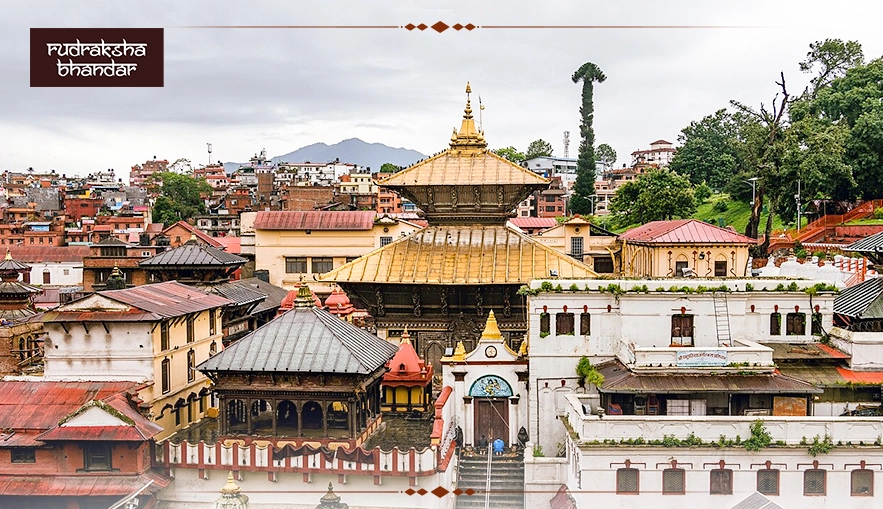
Pashupatinath temple (श्री पशुपतिनाथ मन्दिर) is one of the most sacred and revered Hindu temples dedicated to Lord Shiva. It is located in Kathmandu, Nepal, at the bank of the holy Bagmati river and is regarded as one of the oldest Hindu temples in the world.
The holy Pashupatinath temple carries high spiritual significance, as visiting and worshiping lord shiva in the temple is believed to get blessings from Shiva himself and gives moksha. Yearly, thousands of pilgrims and devotees visit the temple in Kathmandu and follow puja rituals on various occasions.
Visitors carry out several puja rituals and energize holy accessories such as Rudraksha Beads, prayer malas, and various yantras. This blog explains the history, spiritual significance, and timing of Pashupatinath along with sacred rituals that are performed at the temple.
History Of Pashupatinath Temple
Pashupatinath is one of the oldest and most sacred Hindu temples that is believed to have been constructed in the Vedic period. The existence of the holy temple was also recorded in 400 CE and Gopal Raj Vamshavali describes it as being built by the Licchhavi king, Prachanda Deva. The Shiva Purana describes that the Shiva Linga in Pashupatinath has the capacity to fulfill the desire of all beings. Shiva, the destroyer and transformer, gained fame as Pashupatinath according to Nepal Mahatmaya and Himvatkhanda of Skanda Purana, a major Hindu scripture.
Ancient Origins and Legends
Several legends and scriptures describe the Shiva Linga in the temple as self-originated. Skanda Purana narrates that Lord shiva visited the present Pashupati area and wandered in the forest nearby. When locals came to know about Shiva and tried to capture the deer form of Shiva, the horn broke and fell. The fallen horn started to grow as a Shivalinga and is worshipped at the temple.
The legend of Shiva Purana describes that once a divine cow used to pour milk in the exact same spot every day in a forest. Once locals got to know about it, they dug the place to find out the mystery. As they dug the area, they found a self-formed Siva Lingam and started to worship it as Pashupatinath.
Historical Development Over the Centuries
Over time, the holy Pashupatinath temple was recorded to be renovated and developed in history. The temple was expanded and renovated by several rulers from the Lichhavi, Malla, and shah dynasty. The significant contribution was done in the temple structure by rulers from the Malla dynasty. The temple was developed into a Newari Pagoda-style structure to give the modern structure appearance. Later rulers in the Shah dynasty continued preserving, promoting, and maintaining the temple structure.
Recognition as a World Heritage Site
Pashupatinath temple and its nearby shrines, including 518 temples, were also recognized as a UNESCO World Heritage Site in 1979 AD. The temple complex has been protected and managed by the Pashupati Area Development Trust (PADT) since 1996.
Spiritual Significance Of Pashupatinath Temple
The sacred religious site of Pashupatinath carries deep spiritual significance in Hinduism. Lord Shiva is worshipped as lord of all beings, as he protects all creatures in the universe. Visiting the temple and worshipping the self-manifested Shiva Linga is believed to obtain Moksha.
Lord of All Beings (Pashupati)
Lord Pashupatinath, or Shiva, is believed to protect every creature in the universe. Worshipping the temple once in a lifetime will attract the blessing of Shiva and protect the worshipper in the next birth as any form of creature.
Gateway to Moksha
Worshipping Pashupatinath with clean intention helps to give moksha, or liberation. Also, being cremated after death in holy Pashupatinath Aryaghat (cremation site) helps to liberate the cycle of birth and death.
Self-Manifested Linga
Hindu believers and practitioners worship the Chaturmukhi (four-faced) Shiva Lingam that is believed to be self-generated. They worship by offering flowers, bilva leaves, and milk and watch Arati at the bank of Bagmati river in the area. Many people also energize sacred tools like Rudraksha and bead malas made from Rudraksha, as they are connected to Lord Shiva. People energize Rudraksha, like1 Mukhi Rudraksha,5 Mukhi Rudraksha,14 Mukhi Rudraksha, and many other varieties of Rudraksha for spiritual power, protection, and the all-time blessing of Lord Shiva.
Most Sacred Hindu Pilgrimage Sites
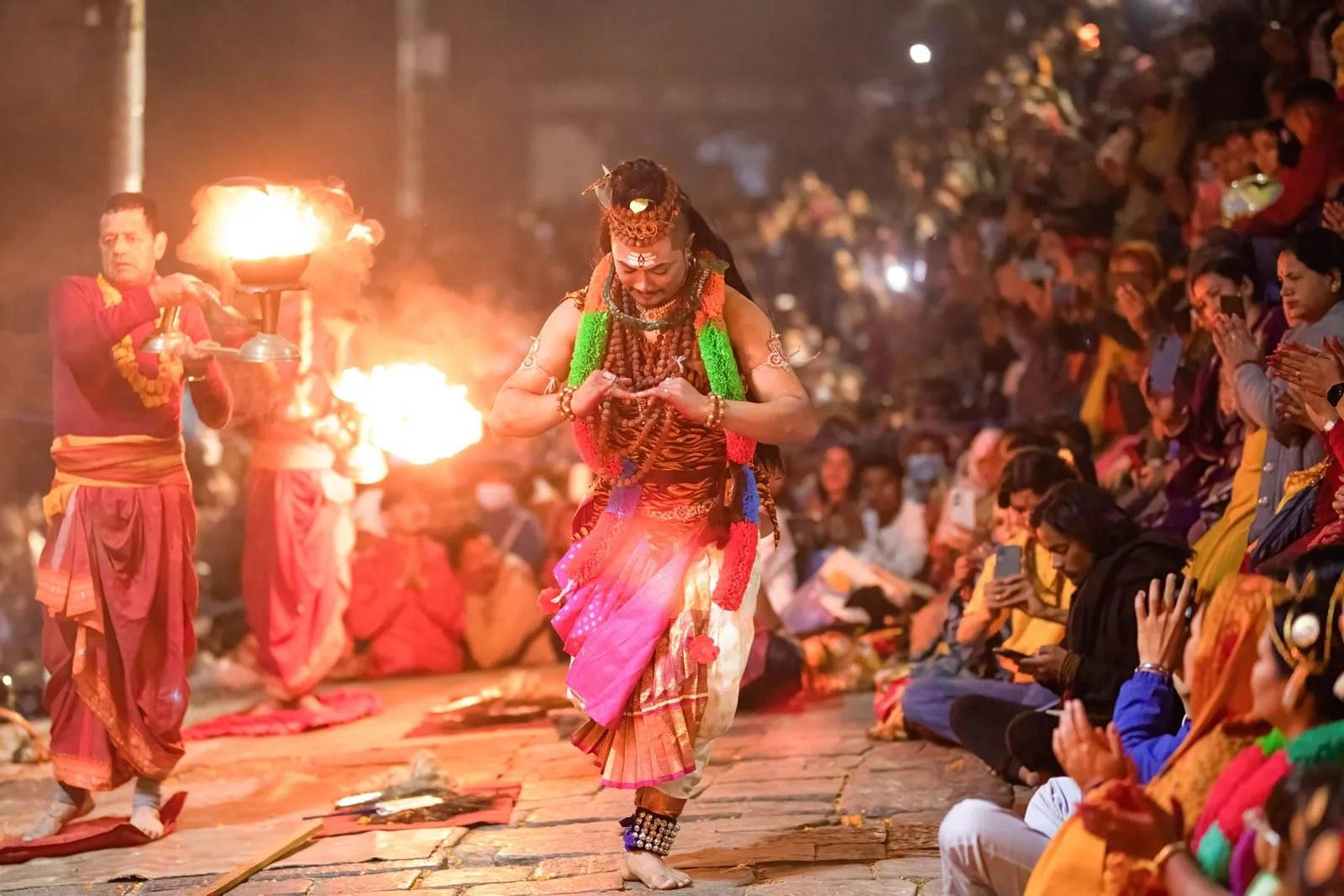
The holy Pashupatinath is one of the most sacred Hindu pilgrimage sites in the world. It is one of the holiest abodes of Lord Shiva and part of Panch Kedar according to Skanda Purana. The holy Bagmati river on the bank of the temple is also sacred, as taking baths and performing rituals on the riverbank is considered auspicious. On occasion of MahaShivaratri, Bala Chaturdashi, Teej festival, and during the month of Shrawan, devotees from all over Nepal, India, and other nations visit and show their devotion.
Pashupatinath Temple Timings And Entry Information
Pashupatinath temple opens every day, and visitors must know about the temple entry and timings. While visiting the temple, knowing and following temple rules and etiquette is important.
Opening and Closing Times
The temple opens early in the morning at 4 AM and closes at 12 PM. People visit the temple for early morning worship and rituals. The temple remains closed during the day and reopens from 5 PM to 9 PM in the evening. During the evening you can observe the holy Sandhya Aarati and evening rituals in the temple complex.
Entry Rules for Visitors
Only Hindus are allowed to enter the main complex of the Pashupati temple. Non-Hindus can visit the outer temple complex and observe nearby sites and the main temple from a distance. Visitors and devotees are not allowed to enter the temple wearing leather accessories, and photography inside the main temple complex is also restricted. Basic temple etiquette should be followed by removing shoes, wearing appropriate clothes, and maintaining peace during the worship.
Best Time to Visit the Temple
The best time to visit the Pashupatinath temple is during morning and evening. Morning gives you a peaceful atmosphere where you can worship the main Shiva Lingam. Evening gives you spiritual experience by giving you time to witness spiritual evening Aarati and rituals. In terms of season, spring (March to May) and autumn (September to November) are best, as they give favorable temperatures, vibrant atmospheres, and less chance of rain. You also witness various festivals, events, and ritual ceremonies during these seasons.
Conclusion
The holy Pashupatinath temple carries great religious, spiritual, and historical significance. It is dedicated to Lord Shiva and is one of the most revered Hindu temples believed to be self-manifested. The temple’s origin has many stories as described by various Hindu scriptures.
Historically, the existence of the temple has been recorded since 400 BC and the temple is believed to have been built by Lichhavi King Prachanda Deva. Later, many rulers from the Lichhavi, Malla, and Shah dynasties protected and developed the temple.
Devotees from Nepal, India, and many parts of the world visit the temple on several occasions, like Maha Shivaratri, Bala Chaturdashi, Teej, and other major festivals, to enhance their spirituality and devotion. They energize various forms of Rudraksha and sacred mala beads to get long-term blessings from Lord Shiva. Contact Rudraksha Bhandar to purchase various forms of Rudraksha and energize them during your next visit to Pashupatinath temple.
