

God
Hanuman Jayanti: Date, History, Puja Rituals & Religious Significance
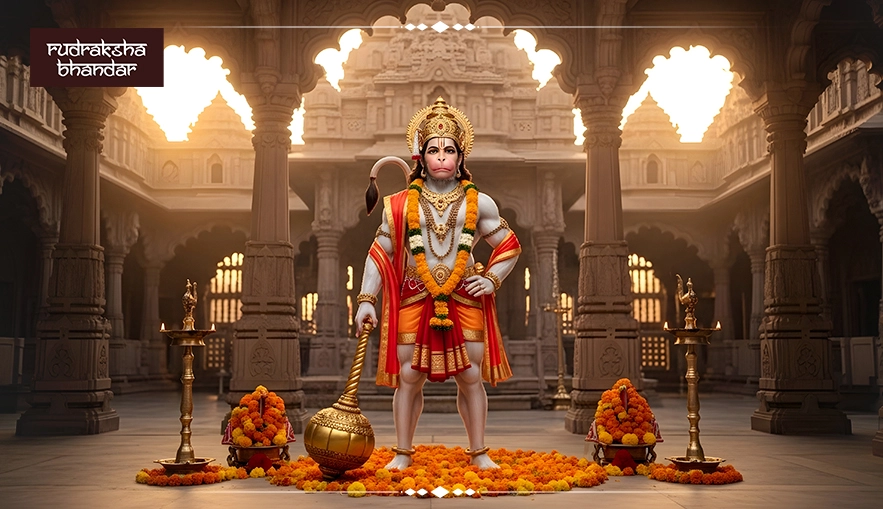
Hanuman Jayanti is one of the important and sacred hindu occasions that celebrates the birth of Maruti, commonly known as Hanuman. Lord Hanuman is the symbol of devotion, courage, strength, and selflessness.
In hindu traditions like Shaivism and Vaishnavism, Lord Hanuman is also considered an incarnation of Lord Shiva and regarded as an immortal being (Chiranjivi). The tradition of worshipping lord Hanuman has been practiced since Treta Yuga, the second of four Hindu cosmic ages. It carries significant religious importance, and various puja rituals are carried out to get blessings and long-term protection from Lord Hanuman.
This blog provides the religious significance and history of Hanuman Jayanti. Also, the puja rituals for the elevated blessing of Lord Hanuman are also provided in the blog.
Key Highlights of Hanuman Jayanti
| Key Aspect | Details |
| Festival Name | Hanuman Jayanti |
| Deity Worshipped | Lord Hanuman, also known as Maruti, Bajrangbali, Pawan Putra, Anjani Putra |
| Significance | Celebrates the birth of Lord Hanuman, symbol of devotion, strength, and courage |
| Religious Importance | Associated with Shaivism and Vaishnavism, Hanuman considered incarnation of Lord Shiva and a Chiranjivi |
| Historical Era | Worship tradition dates back to Treta Yuga |
| Main Date (Nepal 2026) | April 1 (Wednesday) and April 2 (Thursday) |
| Tithi | Chaitra Purnima (Full Moon Day) |
| Celebration Time in 2026 | From April 1, 7:21 AM to April 2, 7:56 AM |
| Other Regional Dates | Margashirsha Amavasya (South India), 41-day observance in Telangana and Andhra Pradesh |
| Major Rituals | Fasting, Sankalp, Hanuman Chalisa chanting, temple visits, offerings, and Aarti |
| Offerings | Fruits, sweets, incense, Sindur, Jasmine oil, betel leaves |
| Sacred Practice | Wearing Rudraksha (11 Mukhi and 14 Mukhi) for blessings and protection |
| Spiritual Benefits | Protection from evil, strength, courage, mental peace, and success |
| Important Texts | Hanuman Chalisa, Ramayana |
| Auspicious Colors | Orange, Red, Saffron |
Who is Lord Hanuman?
Lord Hanuman is one of the revered deities in Hinduism who is known for devotion, strength, and selfless service. He is also known by various names such as Maruti, Anjaneya/Anjani Putra, Kesari Nandan, Pawan Putra, Bajrangbali, and many more. Lord Hanuman is a central figure in the Ramayana and is one of the greatest followers of Lord Rama, due to which he is also regarded as Ram Bhakta Hanuman.
According to the Ramayana, Lord Hanuman is believed to rescue goddess Sita from Ravana, showing loyalty, wisdom, and devotion to Lord Rama. He is also regarded as an incarnation of Lord Shiva according to Shaivism and Vaishnavism traditions. Hanuman is one of the Chiranjivi, immortal beings who are believed to exist forever in the world. Worshipping the Lord Hanuman or remembering him by chanting his mantra is believed to get his protection from evil energy and negativity.
Hanuman Jayanti: Date, Time, Day, and Tithi
The auspicious occasion of Hanuman Jayanti is celebrated on the day of Chaitra Purnima (full moon day in the month of Chaitra). Chaitra Purnima usually falls in March or April in the Gregorian calendar. In 2026, the Hanuman Jayanti in Nepal is observed on the date of April 1 Wednesday from 7:21 AM to April 2, Thursday, till 7:56 AM.
Most parts of India also celebrate the Hanuman Jayanti on the same day. However, some parts of south India observe the Hanuman Jayanti on the day of Margashrisha Amavasya (new moon). In parts of India like Telangana and Andhra Pradesh, the Hanuman Jayanti spans 41 days.
Why and How Is Hanuman Jayanti Celebrated?
Hanuman Jayanti is celebrated on the occasion of the birth of Lord Hanuman, a symbol of devotion, wisdom, and strength. He is worshipped as the greatest devotee of Lord Rama and a form of Lord Shiva. Hanuman’s loyalty, selfless service, courage, and protection are regarded and remembered during the occasion.
Devotees follow various rituals and traditions to celebrate Hanuman Jayanti. Many Hindu followers and devotees of Lord Hanuman wake up early in the morning and offer prayer at home or at the temple. They chant Hanuman Chalisa, a mantra and devotional song to remember and invoke the blessing of Maruti. Devotees also go to Hanuman temples and offer offerings like fruits, sweets, and incense. Many devotees also follow fasting rituals to get spiritual protection from Lord Hanuman.
Why is Hanuman Jayanti celebrated twice a year?
Hanuman Jayanti is celebrated twice a year due to its celebration on different days in various regions. In Nepal and Northern India, the auspicious day is observed on Chaitra Purnima, while a major part of South India celebrates the day on Margashirsha Amavasya or Vaisakha.
The difference in celebration is due to regional variations in Hindu calendars and variations of interpretations of sacred texts related to the birth of Maruti. Regardless of variation in celebration days, devotees show their devotion and beliefs and regard Hanuman as a protector from evil energy.
What are the rituals for Hanuman Jayanti?
The occasion of Hanuman Jayanti is celebrated following traditional rituals and culture. From fasting and sankalp to temple visits and wearing sacred Rudraksha, devotees follow specific ritual processes to get enhanced blessings and protection from Lord Hanuman.
Fasting and Sankalp
Many devotees of Lord Hanuman observe a fasting ritual, or Brata, by consuming fruits or sattvic food or following complete dietary restrictions. Sankalp, or the spiritual intention, is also taken throughout the day.
Recitation of Hanuman Chalisa
Mantras like Hanuman Chalisa are chanted to remember and call Lord Hanuman. Chanting mantras is an important ritual in hindu tradition to invoke divine blessings and protections. Many followers also read and remember Ramayan to recall the role and greatness of Hanuman.
Temple Visits and Offerings
Followers and devotees visit the nearby temple of Hanuman and offer fruits, flowers, incense, and sweets as offerings. Also, offering Sindur (vermilion), Jasmine Oil, and betel leaves are also common rituals in most places.
Aarti and Prasad Distribution
Following Aarti, a holy light of flame, and Puja, the prasad is distributed to the devotee, friends, and family members. Distributing prasad is a ritual to share positivity and the blessing of hanuman. The ceremony strengthened harmony and unity among the family, friends, and entire community.
Wearing Sacred Rudraksha for Blessings
Many devotees wear sacred accessories like 11 Mukhi Rudraksha to connect with Lord Hanuman and get divine protection and blessings from him. The 11 Mukhi rudraksha is connected with Hanuman, who is regarded as the 11th Rudra (incarnation of Lord Shiva). Wearing Rudraksha during Puja rituals, religious events, and fasting periods on Hanuman Jayanti is believed to offer courage, physical strength, and intellectual abilities.
In addition, the 14 Mukhi Rudraksha is also worn and used during meditation on the auspicious day. Wearing 14 Mukhi Rudraksha is believed to provide attributes of Lord Hanuman to the wearer. The attribute includes courage and the ability to handle crucial tasks successfully.
Significance on Hanuman Jayanti
Hanuman Jayanti carries deep religious, cultural, and spiritual significance in Hindu traditions. Hindu devotees from all over the world celebrate the occasion to spiritually connect with lord Hanuman. Worshipping Hanuman and showing devotion through fasting, offerings, and chanting mantras is believed to get his protection and blessing.
Chanting Hanuman Chalisa is believed to call Hanuman and protect you from evil and negative energy. As a Chiranjivi, an immortal being, he is present in the world and always there to protect the world from negativity. Celebrating the special day has been a culture to remember the dedication, devotion, and great deeds of Maruti.
What Color to Wear for Hanuman Jayanti?
Wearing orange, red, and saffron-colored clothes is regarded as auspicious on the day of Hanuman Jayanti. It is believed that these clothes are associated with Lord Hanuman and help in enhancing your spirituality, devotion, and strength. In Hinduism, these clothes are also associated with purity and courage.
Conclusion
Hanuman Jayanti is regarded as an auspicious day celebrated by Hindu followers on the occasion of the birth of Lord Hanuman. Known by various names such as Anjaneya/Anjani Putra, Kesari Nandan, Pawan Putra, and Bajrangbali, he is regarded as an incarnation of Lord Shiva and the greatest devotee of Lord Rama. The day of Hanuman Jayanti is observed commonly on Chaitra Purnima in Nepal and most parts of Northern India. Meanwhile, most parts of south India celebrate it on the day of Margashrisha Amavasya or Vaisakha.
Regardless of the day, Hanuman Jayanti carries spiritual and religious significance, and followers follow various rituals, from fasting and offering to wearing sacred accessories like Rudraksha and saffron, red, and orange-colored clothes. It helps to intensify blessings and evoke spiritual awakening of the devotee.
For further information about religious occasions and sacred accessories to use on occasion, visit Rudraksha Bhandar. Rudraksha Bhandar provides genuine and ethically sourced accessories that help to intensify your spiritual practice and take you close to divine energy.
