

Categorized
Mahashivaratri in Nepal: Night of Devotion, Fire & Pashupatinath
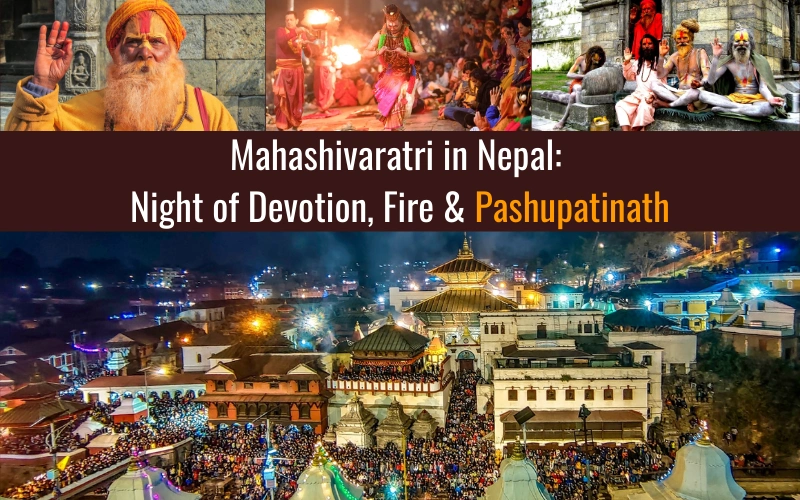
Festivals and religious events unite Nepalese people through harmony and a sense of mutual cooperation. Among the number of festivals in Nepal, the Mahashivaratri (महाशिवरात्रि) is annually celebrated at the beginning of spring. The holy festival is also called “The Great Night of Shiva,” where believers and devotees honor and worship Lord Shiva (Mahadeva: महादेव). Thousands of devotees and sages visit Pashupatinath Temple, the highly revered Shiva temple in Hinduism. The rest celebrate the festival by visiting local shrines and following their own cultural rites in their hometown.
Followers stay awake all night in front of holy fire for spiritual awakening and burn worldly desire. The holy festival is not just celebrated today, but it has been passed down from centuries, from the Satya Yuga era to modern days. This holy day carries significant religious, spiritual, and cultural importance, combining ancient faith and individual beliefs.
This blog explains the importance and spiritual meaning of Mahashivaratri, the sacred night of Lord Shiva, including its ancient legends and its lively customs. We also present various rituals, fasting, fire ceremonies, and modern practices that derive from Shiva-Parvati stories and Pashupatinath’s nightly religious observances. The sacred celebration lets both devotees and travellers experience its powerful spiritual aspect.
Mahashivaratri: The Sacred Night of Shiva in Nepal
Nepal celebrates Mahashivaratri, “The Great Night of Shiva,” as an important religious occasion. The festival takes place on the 14th night of the dark moon on Falgun between February and March. During the holy day, devotees and followers demonstrate their faith to Lord Shiva through fasting, prayers, meditation, and staying spiritually awake in the night in front of a holy fire.
The holy fire on the night of Shivaratri carries great importance, as it is believed to deliver blessings from Lord Shiva and remove spiritual burdens and worldly desires. Devotees visit Shiva temples on the day, and Pashupatinath Temple gains special significance, being one of the most important and sacred Shiva temples in Hinduism.
Pashupatinath Temple is a historic place of devotion where thousands of pilgrims and devotees visit yearly, especially in Shivaratri. It is a UNESCO World Heritage Site that shows outstanding cultural, historical, and spiritual significance in Hinduism. The celebration of Mahashivaratri represents how light defeats darkness through the connection between Shiva and Shakti that leads individuals to liberation (Moksha).
History and Mythological Origins of Mahashivaratri
Mahashivaratri connects to strong historical and mythological events believed to have occurred throughout all four Yugas of Hinduism. The different ages show different aspects of Lord Shiva, which include his sacrifice, strength, role as protector of the world, and divine union with Goddess Parvati. The legends explain why Mahashivaratri celebrates the night of devotion and cleansing and spiritual renewal. We provide the table below to show how each Yuga in Hinduism connects to Mahashivaratri.
| Era (Yuga: युग) | Key Shiva Event from Scriptures | Connection to Mahashivaratri |
| Satya Yuga(सत्य युग) | Sati and Daksha Yagna (Shiva Purana)Sati, the first wife of Lord Shiva, sacrifices herself after her father insults Lord Shiva. The event made Lord Shiva sad and angry, and he performed Tandava (a cosmic dance). | Mahashivaratri connects with Shiva’s feelings together with his powerful abilities. The devotees observe fasting and perform prayers to eliminate their ego and emotional distress, which Shiva transformed into his inner strength. |
| Treta Yuga(त्रेता युग) | Samudra Manthan – Neelkanth (Bhagavata Purana)In Treta Yuga, Lord Shiva drank poison during Samundra Manthan (ocean churning) to save the world. As Lord Shiva drank poison, his throat turned blue, due to which he is also regarded as Neelkanth. | The Mahashivaratri festival remembers Shiva’s selfless offering. Through fasting and prayer, devotees purify themselves by eliminating negative thoughts, which we consider “poison” from our existence. |
| Dvapara Yuga(द्वापर युग) | Tripura Dahana (Lina Purana) During Dvapara Yuga, it is believed that Shiva destroyed three demon cities with one arrow for peace. | During Mahashivaratri, the fire rituals remind us of the flaming arrow of Lord Shiva that destroyed evil energy on this lunar night. The ritual is believed to restore peace, balance, and goodness by Lord Shiva. |
| Kali Yuga(कलियुग) | Marriage of Shiva and Parvati (Skanda Purana)Parvati’s devotion wins Shiva’s heart, and they are united through a cosmic wedding. | Mahashivaratri annually celebrates the cosmic wedding of Lord Shiva and Goddess Parvati with all-night offerings and spiritual awakening. |
Mahashivaratri celebrates multiple events and legends of Lord Shiva. The Daksha Yagna event shows Sati’s dedication and her complete devotion to Lord Shiva through her act of self-sacrifice. The divine wedding of Lord Shiva and Goddess Parvati demonstrates that through devotion and patience people achieve their life goals.
Lord Shiva drinking poison during Samudra Manthan to protect the world from danger turned his throat blue, making him known as Neelkanth. The Cosmic Tandava dance symbolizes creation, protection, and destruction that create an ending cycle to start a new beginning. By remembering all these Shiva’s events, devotees worship and honor Lord Shiva through fasting, prayer, meditation, and spiritual awakening (Jagaran: जागरण) in front of holy fire.
Spiritual Significance of Mahashivaratri
Mahashivaratri is not just a festival of night and fire. It is full of spiritual significance that helps the worshipers to move to inner peace, balance, and liberation. We explain the spiritual significance of Mahashivaratri below:
- Victory of Light Over Darkness: Mahashivaratri represents the victory of knowledge, goodness, and spirituality over ignorance, negativity, and worldly pleasures. Spiritual wake-up during the holy day, practicing meditation, and mantra chants helps to eliminate the inner darkness and gives clarity of mind.
- Marriage of Shiva and Parvati: The holy day of Mahashivaratri glorifies the cosmic harmony of divine energy that symbolizes the union of masculine and feminine forces. The day has spiritual importance, as worshiping Shiva and following rituals helps in spiritual awakening and promoting inner harmony.
- Awards Moksha: Performing fasting, prayer, and meditation during the Shivaratri helps to cleanse the mind and body. It leads you towards Moksha, or liberation from birth and death.
- Spiritual Energy: Devotees perform various rituals to get blessings of Lord Shiva during the special occasion of Shivaratri. They provide offerings and use sacred beads like Rudraksha to connect and show devotion to Shiva. Wearing sacred beads like Ek Mukhi Rudraksha, 2 Mukhi Rudraksha, 5 Mukhi Rudraksha, and other forms of Rudraksha during ritual practice and meditation helps to elevate their practice and long-term blessings from Lord Shiva.
Mahashivaratri Celebrations at Pashupatinath Temple
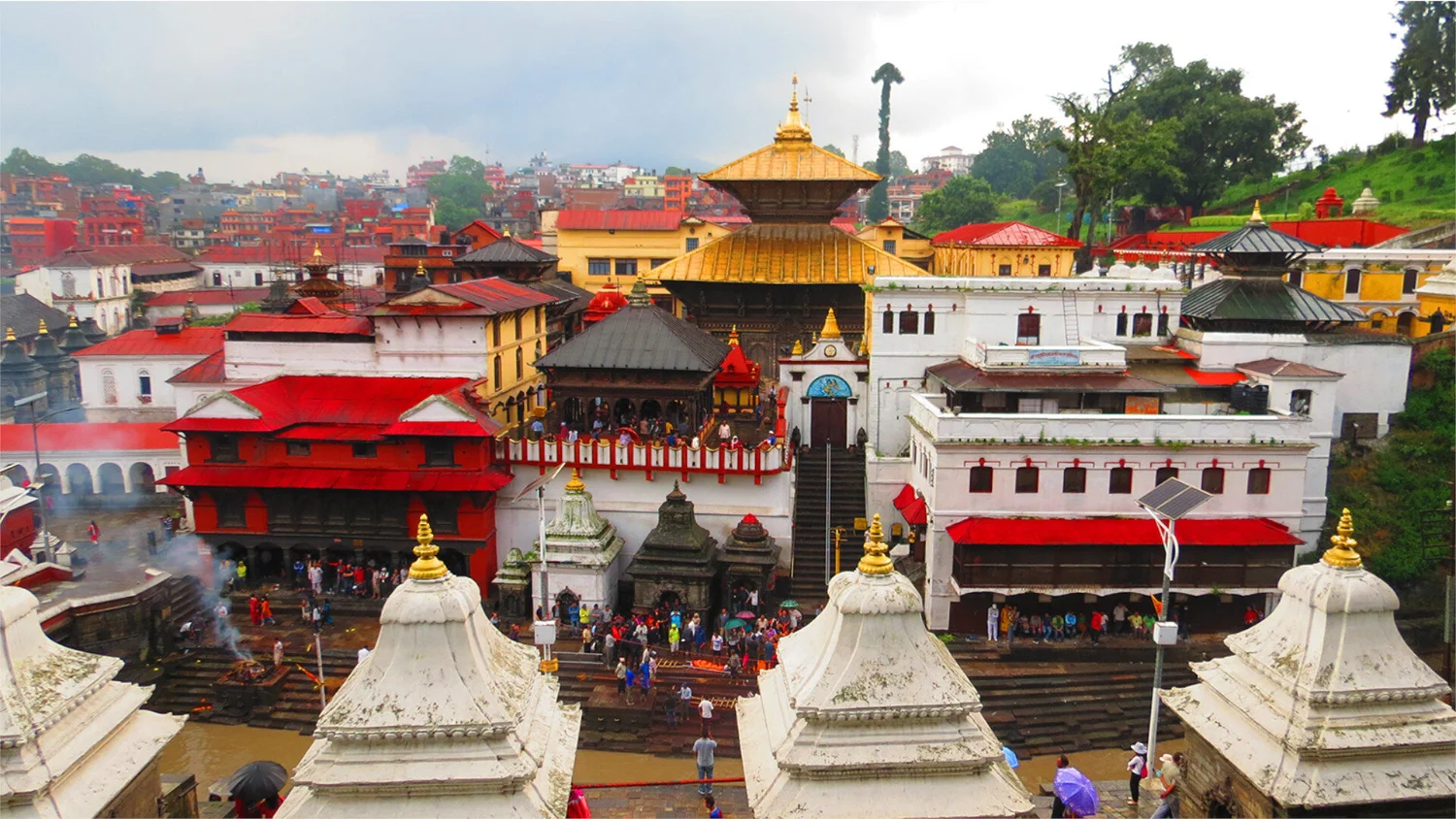
Pashupatinath Temple in Kathmandu is the center for the celebration of Mahashivaratri and the worship of Lord Shiva in Nepal. Thousands of devotees from Nepal, India, and other nations visit to worship Lord Shiva during the holy occasion. The Mahashivaratri celebration is not just limited to Pashupatinath, but devotees also visit major shrines like Halesi, Doleshwor, and major Shiva temples of Nepal.
Significance of Pashupatinath Temple
Pashupatinath Temple is one of the important Shiva shrines in Hinduism and is the primary destination for devotees during Shivaratri. The holy temple has significant religious, cultural, and spiritual importance in Hinduism. It is included in the UNESCO World Heritage site marking as a symbol of culture, history, and spiritual belief of Hindu followers.
Massive gatherings and rituals
During the Shivaratri, thousands of devotees visit Pashupatinath to worship, chant mantras, and pray to Lord Shiva. Various cultural processions, holy fire, awakenings, and processions are carried out on the day and night.
Presence of sadhus and ascetics
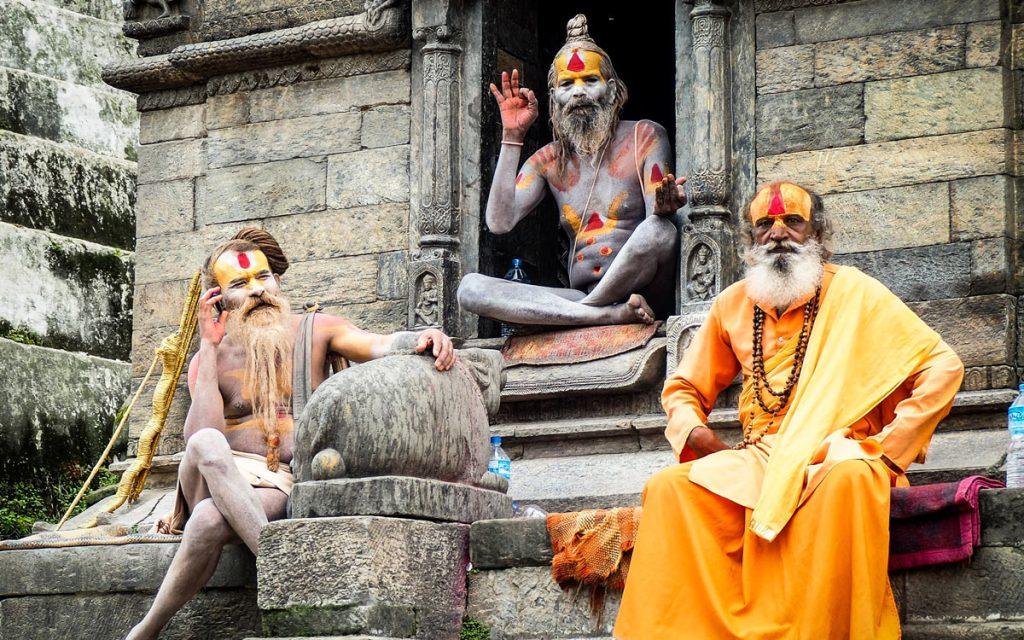
Mahashivaratri observes sages and saints (sadhus) from Nepal and India gather at Pashupatinath to meditate and worship Lord Shiva. They choose to live simple spiritual lives while they wear saffron robes or ash. Their sacred energy fills the space where devotees seek blessings for peace and wisdom and for spiritual awakening.
Devotees from Nepal and neighboring countries
Pilgrims and devotees from all over Nepal and India visit the Pashupatinath temple to participate in the festival. Many devotees visit on foot to show devotion to Lord Shiva. Visitors meditate, bring offerings, and spend the night with spiritual awakening along the holy fire. Devotees seek peace and spiritual awakening by worshiping Lord Shiva on the day of Mahashivaratri.
Night of Devotion and Fire Rituals
Mahashivaratri is a holy night of worship, and devotees keep awake in prayer and meditation to bring them closer to Lord Shiva. The all-night vigil known as Jagaran shows the power to achieve the state of spiritual consciousness and overcome the darkness. The holy lights are called Akhand Jyoti, which light up the night and symbolize the three holy aspects of divine light, hope, and protection. Bonfires are also lit to destroy the bad spirits and worldly feelings. The atmosphere on Mahashivaratri is full of bhajans and mantra chantings like Om Namah Shivaya.
Core Rituals, Fasting, and Offerings
On the day of Mahashivaratri, devotees worship Lord Shiva following core rituals, fasting, and special offerings. These practices help to connect with Lord Shiva and get his blessing and protection from the evil eye or negative energy. Some core rituals, fasting, and offerings include the following:
- Fasting: Believers and followers fast or follow Brata practices during the day and night while expressing devotion to Lord Shiva.
- Sacred Offerings: Hindu followers offer sacred offerings to Shiva, like Belpatra (Bilva leaves), flowers, fruits, and lamps.
- Chanting and meditation: Devotees perform special chantings of mantras like Om Namah Shivaya during worship and meditation practice to deeply connect with Lord Shiva.
- Rudraksha on Shivaratri: During the Shivaratra, wearing Rudraksha beads and accessories like Japa Mala, bracelets, and necklaces helps to strengthen the bond with Shiva. It also elevates their spiritual practice and gets them long-term protection from negative energy.
Modern-Day Mahashivaratri in Nepal
Passed down from centuries, Mahashivaratri is still celebrated widely in Nepal by Hindu followers. The accessibility of vehicles in the modern day has further attracted thousands of visitors to the Pashupatinath and major Shiva shrines in Nepal. Communities and authorities work together to manage large crowds and support visitors through:
Crowd Management and Security
Numbers of visitors gather at Pashupatinath and major shrines in Nepal. And to manage crowds and ensure safety, security forces, volunteers, and social workers are deployed in the religious premises. The use of signage, barricades, modern surveillance, and communication technology is used in modern days.
Spiritual Tourism
Mahashivaratri attracts spiritual tourists to experience the spiritual essence and rituals of Shiva temples in Nepal, including Pashupatinath. The occasion has become a source of religious and spiritual tourism in Nepal, attracting thousands of local and global tourists.
Combination of Ancient Tradition and Modern Regulation
While following traditional rituals such as fasting, spiritual awakening, and fire ceremonies helps to protect Shivaratri culture, the use of modern surveillance and communication protocol helps to manage the event. The use of modern regulation helps to celebrate the event like Mahashivaratri in a safe, secure, and responsible way.
Conclusion
The Mahashivaratri festival is marked as one of the sacred religious and ritual events in Nepal. The holy night unites devotees, faith, and culture along with inner reflection through ancient legends from various Yugas. Devotees achieve inner peace, satisfaction, and spiritual awakening through fasting and jagaran during the auspicious day. Many devotees wear sacred Rudraksha of various types and Mukhi to get spiritual protection and blessings from Lord Shiva.
Visit Rudraksha Bhandar if you are also planning to express your devotion to Lord Shiva and get elevated blessings by wearing Rudraksha. Rudraksha Bhandar offers various types and Mukhis of Rudraksha that you can wear on Shivaratri and other occasions to get elevated benefits and protection.
